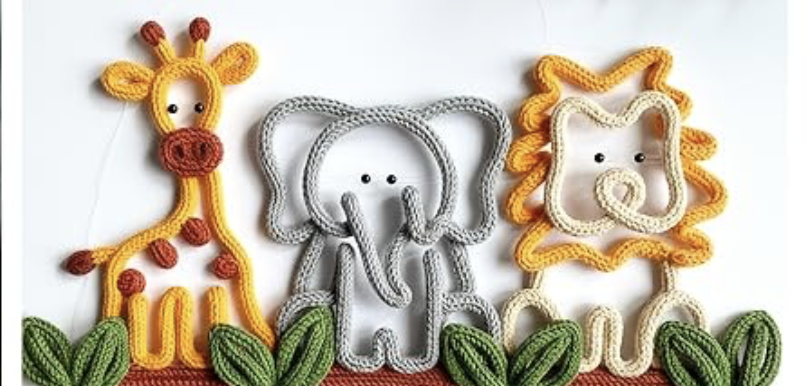
Knitting isn’t just about cozying up with your yarn and needles anymore. It’s evolved into a flexible side hustle that mixes passion with the chance to earn some extra bucks. For many, the charm lies in getting to do what they love while making a profit. What could be better?
Finding your niche is like discovering your knitting soul mate. Are you into making stylish garments, adorable toys, or perhaps those cozy home decor items like chunky blankets? Identifying what you love to create and what you’re good at is key. Different niches cater to different markets, so honing in on this can maximize your satisfaction and success.
Understanding market demand is crucial. People crave uniqueness, and that’s where your handcrafted pieces come in. Think about what aligns with current trends or the perennial must-haves. A bit of research on platforms like Etsy can reveal what’s hot across diverse categories. Stay ahead by tailoring your work to these insights and keep those knitting needles busy!

Knitting Side Hustle Ideas
When it comes to selling your knitted creations, the digital world offers a plethora of opportunities. Platforms like Etsy and Amazon Handmade are your best friends here. They cater specifically to handmade goods, giving your work the spotlight it deserves. Make sure to fine-tune your product descriptions and snap some stunning photos to really catch the eye.
Don’t underestimate the power of local craft fairs and markets. These events let you connect with buyers face-to-face, sharing not just your products but also your passion. Create an inviting booth with a warm vibe and maybe some live demonstrations of your knitting process. People love seeing the magic happen right in front of them!
Collaborating with local boutiques can also elevate your hustle. Offer your unique items on consignment, where the store sells them for you and you both benefit. It’s a win-win that can get your knit goods into places you might not reach alone. The key is to approach boutiques armed with an enthusiastic pitch about the quality and uniqueness of your pieces.
Building an Online Knitting Presence
Creating a solid online presence can be a game changer for your knitting hustle. Designing a knitting-focused website is your online portfolio. It should reflect your style and offer visitors a seamless browsing experience. Include great visuals, some backstory about your passion for knitting, and a store section if you’re selling directly. Keep it fresh with updates and new content regularly.
Social media is where the knitting community thrives. Sites like Instagram and Pinterest are visually driven, making them perfect for showcasing your gorgeous knits. Post regularly, engage with your followers, and use hashtags strategically. It’s about building a community, sharing tips, and maybe a sneak peek into your latest project!
Blogging is another fantastic aspect to consider. Sharing tutorials, knitting tips, or experiences can attract a loyal following. People love learning from others’ journeys, and your insights could really resonate with fellow knitting enthusiasts. If writing’s your thing, relating your creative processes or even pattern designing can add value and establish you as an expert in the field.
If you want to learn how you can start your own profitable knitting website, read how I did it by clicking here.
Teaching and Hosting Classes
Transform your knitting skills into teaching opportunities, sharing your knowledge with eager learners. Hosting classes might sound daunting, but it’s doable whether you opt for cozy in-person gatherings or modern virtual workshops.
Cater to various skill levels by offering beginner coaching sessions or more advanced techniques. Tailor your classes to your own expertise and your students’ interests. Don’t forget the importance of a welcoming atmosphere where questions and creativity can flourish.
Platform selection is key for virtual classes. Consider using Zoom or pre-recording detailed sessions to share on platforms like Udemy. Both allow you to reach a broader audience without the logistic hassles of physical space.
Building comprehensive online courses can also be a rewarding avenue. By curating all-inclusive resources, you give aspiring knitters the tools they need at their own pace. Infuse your personality into these resources, create clear instructions, and include engaging visuals to enhance the learning experience.
I trust that this has helped you with some knitting side hustle ideas.
















I wish I have the time to do knitting.
My cousin does this and I have seen how beautiful are her creations. But, she does it only for leisure and she gives away or gifts her items.
For a niche such as baby items, where would be the best avenue to sell them? Would you suggest to start with just a single item like all toques or hats, then add others later? Or start to make and sell everything a baby needs all at the same time?
Marita
Hi Marita,
I guess it would depend on how much time you have and how much stock you have, but if it was me starting out, I would sell one type of item first and build from there.
I think Etsy is a great choice to sell handmade goods.
Hope this helps.
Hi Michel,
This was such an inspiring read. I love how you showed that knitting can be both creative and practical when turned into a side hustle. The selling through Etsy, local markets, and even boutique collaborations ideas were good, and at the moment I am also looking for Etsy. I’m wondering which niche you’ve seen beginners have the most success with when they’re just getting started?
I think Etsy is one of the best platforms to sell homemade craft items. I’ll admit I sell locally to friends and family and haven’t navigated the whole shipping from selling online yet.
Hi! I enjoyed reading your article and thought you shared some creative ideas for turning a hobby into a source of extra income. It’s encouraging to see that people can build a small business around something they genuinely enjoy doing. I especially like the idea of starting with a skill you’re already passionate about. In your experience, which knitted products have been the most popular with customers, especially for someone just starting out? Thanks for sharing your ideas!
Thanks for stopping by Bryce. I find that scarves and beanies are always popular probably due to the lower price point but if you can create a beautiful sweater you can’t get anywhere else I think you could make a killing.
Thanks for sharing these knitting side hustle ideas! I like that you covered different ways to turn a hobby into extra income instead of focusing on just one approach. For someone who’s just getting started, which method do you think has the best chance of making the first sale quickly?
Most people start with simple things like hats and scarves, but unless they are unique in some way they are difficult to sell. So my advice is think out of the box and come up with something different.