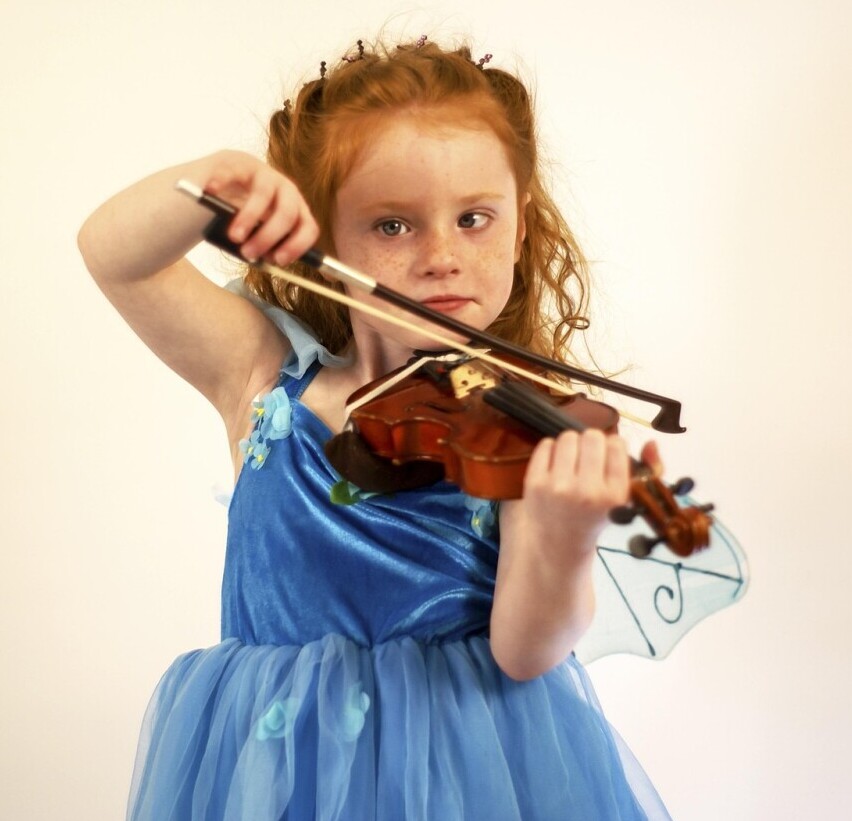
Let’s look at how to encourage creativity in children after school hours are over.
 How to Encourage Creativity in Children
Creative After-School Ideas That Expand Your Child’s Horizons
Busy parents seeking after-school activities often face the same problem: plenty of choices, but little clarity.
Between schedules, costs, and shifting interests, activity selection can turn into choosing whatever has an open spot rather than what truly fits. The harder question is what kind of creative enrichment for children would support their energy, temperament, and children’s developmental needs after a long school day. With that lens, alternative kids programs become easier to judge for their real value.
Quick Summary: After-School Ideas to Broaden Horizons
- Explore arts-based activities like music, drama, and visual arts to build creativity and confidence.
- Try STEM-focused options like coding, robotics, and science projects to strengthen problem-solving skills.
- Choose hands-on clubs and makerspace-style activities to encourage curiosity and independent thinking.
- Add service and community projects to help children practice empathy, teamwork, and real-world responsibility.
Turn a Kid Idea Into a Mini-Business
Once you’ve skimmed the menu of creative activities, it can help to choose one that teaches skills your child can use anywhere, like entrepreneurship. Teen entrepreneurship is a productive way to spend after-school time because it builds planning, communication, and confidence as kids turn an idea into something real. Depending on their interests, they might offer a small, safe service like dog walking, babysitting, lawn care, tutoring younger students, or making simple crafts to sell. To help the idea feel official and shareable, try a free logo generator and start with a ready-made template, then adjust fonts and colors to match their style. From there, you can combine entrepreneurial projects with other creative programs that build real-world skills in different ways.
Dance: Building Confidence Through Movement
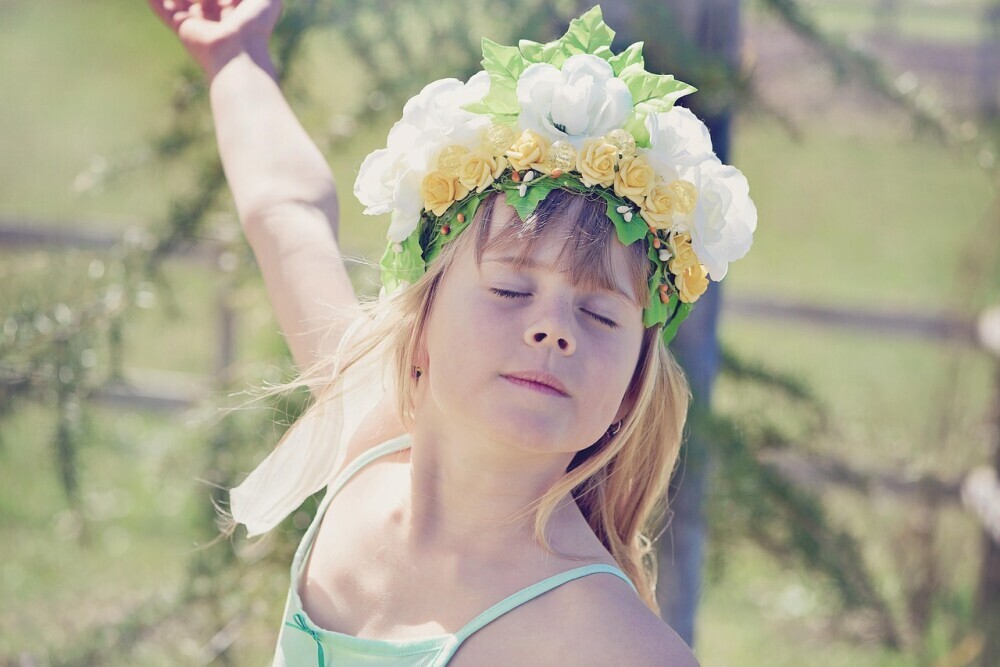
Dance is much more than an energetic way to spend an afternoon. It gives children an opportunity to develop coordination, balance, rhythm, and body awareness while encouraging creativity and self-expression. Structured dance activities can also support skills such as memory, perseverance, confidence, and working with others. Because dance combines physical activity with music and imagination, it can introduce children to new artistic styles and cultures while giving them a constructive outlet for their energy. Creative movement, in particular, encourages children to experiment, make choices, and discover what their bodies can do.
Mix and Match: Creative Programs That Build Real-World Skills
The best after-school plan isn’t one “perfect” activity, it’s a flexible menu you can rotate based on your child’s curiosity, energy, and schedule. Use the ideas below like building blocks, and keep the mini-business mindset in your back pocket: simple goals, a small budget, and a quick way to show progress.
- Start with a low-prep arts-and-crafts “studio hour”: Pick one skill to practice for 30–45 minutes each week, cutting, drawing, painting, sewing, or simple sculpture, then display the result on a fridge “gallery wall.” A great first project is window painting sensory activity because it’s easy to set up with washable supplies and still feels special. To connect it to real-world skills, ask your child to “take a client request” from a sibling or neighbor (colors, theme, deadline).
- Choose instrument lessons with a tiny performance goal: If formal lessons feel like a lot, start with a 6–8 week trial or a school-based group class, then set a simple deliverable: one song at a family “living room concert.” Build confidence by making practice visible and manageable, 10 minutes on school nights, 20 on weekends. Borrow the mini-business steps by creating a one-page “practice plan” with checkboxes and a spot for “customer feedback” (what listeners enjoyed).
- Make language acquisition social, not solitary: Language sticks better when it’s connected to real conversations. Look for a weekly kids’ conversation circle, cultural club, or a bilingual play meetup, and give your child a weekly “mission” (order a snack in the language, learn a greeting, teach the family five new words). Keep it light: aim for short, frequent exposure rather than long sessions.
- Run a “kitchen-table STEM lab” with a repeatable format: For STEM experiments for children, consistency beats complexity. Choose one theme per month, magnets, circuits, buoyancy, or simple chemistry, and do one 20–30 minute experiment weekly with a lab notebook: question, prediction, result, “what I’d change.” For a mini-business crossover, have your child create a one-page “how-to guide” to teach a younger kid.
- Try volunteering opportunities that match your child’s energy level: Start with one-time, family-friendly options (park cleanups, donation sorting, making care cards) before committing to weekly roles. Ask your child to pick a cause, define a job they can actually do, and set a time limit (60–90 minutes is plenty for beginners). If you’re evaluating a new program, prioritize clarity, an orientation and policy manual often signals good organization and smoother communication.
- Add an “unexpected twist” to keep motivation high: Rotate in short bursts of something novel, photo scavenger walks, a storytelling club, beginner cooking, maker nights at the library, or a “design challenge” where kids build a useful object from recyclables. The trick is to keep the commitment small (two sessions, then reassess) and let your child vote on what stays.
Growing Confidence Through One New After-School Choice
Between packed schedules and the pull of familiar routines, it’s easy for after-school time to default to whatever feels simplest. A gentle, exploratory mindset, sampling alternative activities and following your child’s curiosity, keeps enrichment realistic and pressure-free. Over time, the benefits of alternative activities show up as children’s personal growth, stronger motivation, and more positive developmental outcomes, especially when parental support stays steady and encouraging. One small after-school experiment can open a big door for confidence.
So there you have it, a number of ways on how to encourage creativity in children.