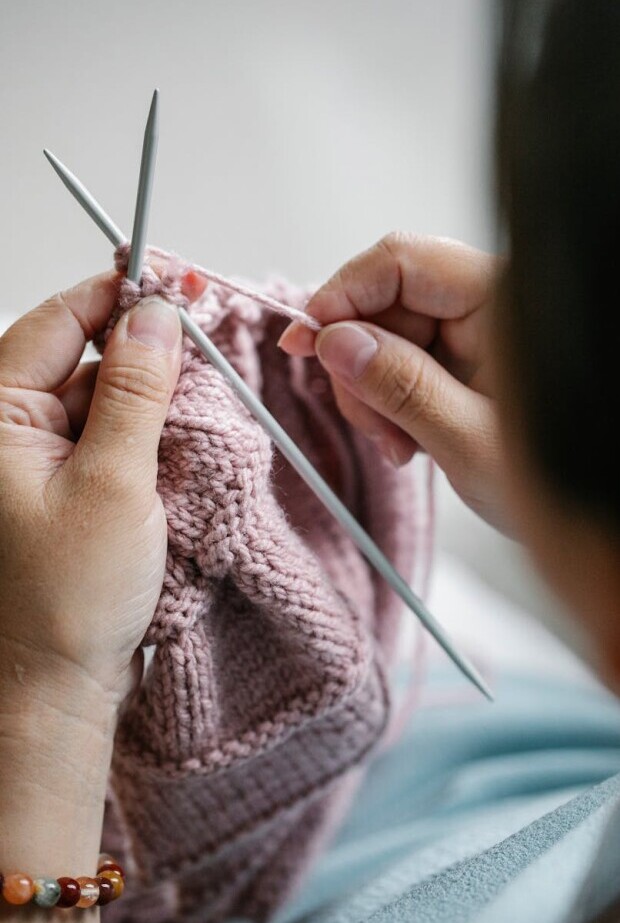
Diving into knitting techniques for beginners means you’re about to pick up a fun, relaxing hobby that keeps your hands and mind busy.
First thing’s first, you need the right tools to start making those cozy scarves or that cute sweater you’ve been dreaming of. Let’s talk must-have materials that’ll kickstart your knitting journey.
Knitting Techniques For Beginners
Needles are at the core of this craft, and there are many kinds to choose from. Straight needles are the classic choice for beginners, and they come in various sizes and materials like metal, bamboo, or plastic. Each type has its own feel, so finding what works for you might take a bit of trial and error.
Then there’s the yarn, the star of the show. For beginners, I usually recommend starting with a medium-weight yarn—it’s thick enough to handle easily. Cotton and acrylic yarns are fantastic choices to begin with since they’re generally budget-friendly and easy to work with. Plus, they’re available in a rainbow of colors—who doesn’t love options?
Don’t forget the little helpers—stitch markers and row counters can be lifesavers, especially when you’re not sure if you’ve hit row 20 or 21. These small tools help keep things neat and let you focus on knitting rather than counting.
Lastly, setting up your knitting environment plays a huge role in your enjoyment and productivity. Make sure you’ve got decent lighting, a comfy chair, and space for your supplies. Knitting’s all about relaxing, so make your space as comfy as you like. Establishing a cozy nook will make your time with the needles even more rewarding.
Mastering the Basics
Once you’ve gathered the tools of the trade, it’s time to get down to the nitty-gritty: the knitting techniques themselves. Every knitting adventure begins with the cast on. This process establishes the foundation of your work, so getting this right is key. It may take a few tries to get the tension just right, but practice makes perfect.
The knit stitch and purl stitch are your building blocks. Consider them the bread and butter of knitting. Learn to knit and purl, and you’ve unlocked the door to an endless variety of patterns. Practice switching between these stitches—it’s the key to more intricate designs down the line.
Increasing and decreasing are the next skills on the list, letting you shape your pieces and venture into more complex projects like hats or even sweaters. Start simple—with basic increases and decreases—to see how your knitting shifts and shapes.
Here is a video demonstrating how to both increase and decrease stitches.
And then of course you need to know how to cast off.
Everyone stumbles when they’re starting out. Dropping stitches or accidentally adding extras is all part of the learning process. It’s important to figure out how to fix these common errors early on to keep your confidence high. A little patience and perseverance go a long way in mastering these fundamentals.
Small Projects to Kickstart Your Knitting Journey
So, you’ve got the basics down, and you’re itching to create something. Starting with small, rewarding projects is the way to go. Scarves and dishcloths are fantastic because they let you practice without feeling overwhelmed.
When it comes to reading patterns, the key is to break them down into steps. The patterns might look like a secret code at first, but once you get the hang of common abbreviations, new worlds will open up. This is your ticket to designing all types of pieces.
Keeping track of your progress not only feels good but also helps you see how much you’ve learned. Write down what works, what you like, and where you need a bit more practice. Documenting your journey makes your growth visible and helps in staying motivated.
Joining knitting communities—both online and offline—is another great step. Places like knitting circles or forums are full of others on the same journey. Sharing tips, tricks, projects, and even frustrations can be a big morale booster. Plus, you might make some new friends along the way.