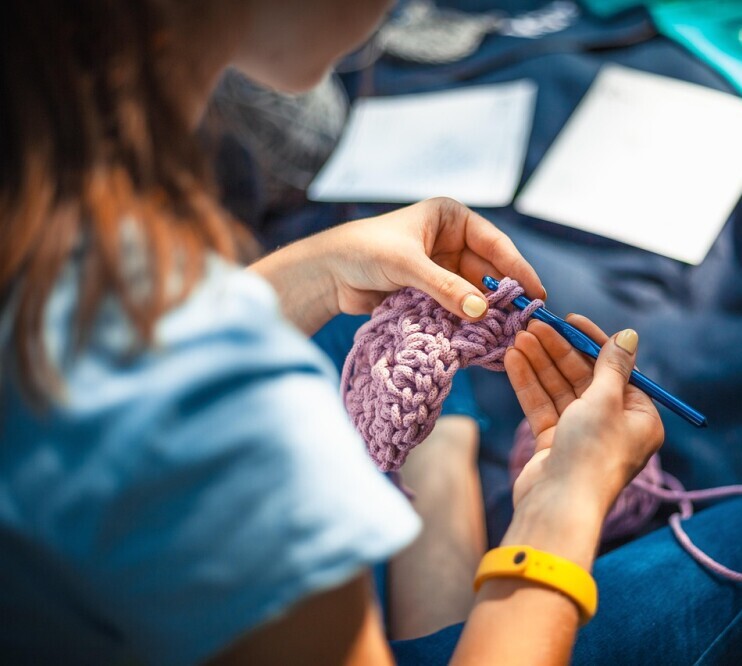
Busy parents juggling work and wellness, mid‑career professionals running on routine, and hobby enthusiasts craving momentum often share the same problem: days feel full, yet personal skill development keeps getting postponed until motivation “returns.”
Like many habits that support health, life enrichment through hobbies rarely arrives as a sudden breakthrough; it comes from a steady practice that respects limits and avoids all‑or‑nothing thinking. The most reliable options tend to span creative hobbies, physical hobbies, and intellectual hobbies, each training attention, mood, and competence in different ways.
Chosen with realistic expectations, one new hobby can reinforce everyday life.
How Hobbies Work Like a Health “Dose”
A hobby is not a mood shortcut. Think of it like a small, repeatable intervention that helps your brain regulate emotion, stay mentally active, and keep the body moving.
Over time, this steady exposure can improve mental health because it trains recovery from stress, not just escape from it.
This matters because well-being usually follows a dose-response pattern: small sessions, done often, add up. You are more likely to feel calmer under pressure, more curious after work, and more capable in daily tasks when your routine includes a reliable outlet.
Picture ten minutes of painting, writing, or trying another artistic activity after dinner, plus a brisk walk on two weekdays. The “dose” is modest, but your attention steadies and irritability drops. That steady base can later support deliberate practice and formal skill-building, including business-management study.
Build a Structured Path From Passion to Professional Skill
Once a hobby starts paying “health dividends,” it can also reveal a direction you may want to take seriously. If you’ve fallen in love with a new skill, making it part of your livelihood often means treating it less like an occasional “dose” and more like training, then going back to school to build the credentials and foundational knowledge that pave the way for long-term success.
If your path includes starting a business, earning a business management degree can strengthen practical abilities in leadership, operations, and project management, if that fits your goals, you might consider this option . An online degree can also make the transition more realistic by letting you keep working and meeting life responsibilities while you study.
Start 6 Skills This Month: Simple First Projects That Stick
Choose one lane for 30 days and make it small on purpose. “In a clinic, the plan that works is usually the one that removes friction,” and hobbies are no different, start with a first project you can finish, then repeat the same practice block until it feels ordinary.
1. Sew one useful rectangle: Start with a beginner-safe project that teaches control, not complexity: a drawstring bag, a pillow cover, or two cloth napkins. Do a 20-minute “setup-only” session first (thread machine/needle, test stitch on scraps, set iron and pins) so your real sessions aren’t eaten by fiddling. Aim for straight seams, consistent seam allowance, and clean pressing, those three fundamentals transfer to every garment later.
2. Cook with two techniques, not ten recipes: Pick one dry-heat skill (roasting vegetables at a steady temperature) and one wet-heat skill (simmering a pot of beans, lentils, or soup). Repeat each technique twice a week, changing only one variable, spice blend, vegetable, or protein, so you learn cause-and-effect without overwhelm. “Think like a project manager: standardize the process, then iterate,” and you’ll build a reliable baseline you can scale.
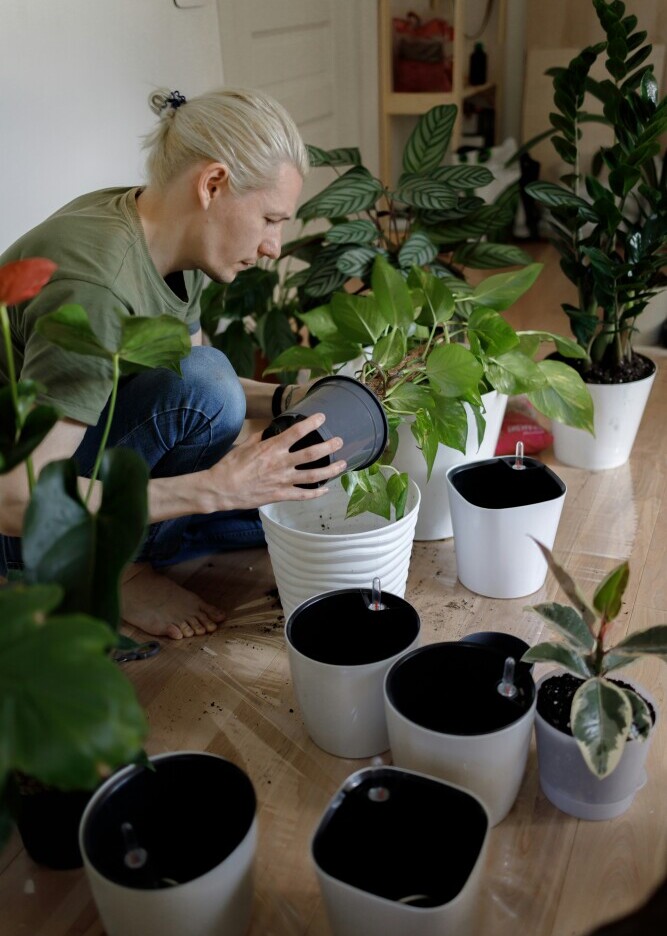
3. Plant for momentum, not perfection: Start with containers if you’re unsure of soil or sunlight; they’re forgiving and easy to adjust. Do a 10-minute site check at three times of day (morning/noon/late afternoon) and label the spot “full sun,” “partial,” or “shade,” then match plants accordingly. If you’re planting in-ground, the online soil survey can give you a basic read on your area’s soil before you buy amendments you may not need.
4. Learn photography by locking one setting: For week one, keep your subject simple (a mug near a window, a tree at sunset) and lock either exposure or focus so you’re training your eye, not chasing the camera. Take 10 frames of the same scene: 5 from different distances, 5 from different angles, then pick the best two and write one sentence on why they work. “In medicine we call this reducing variables,” and it’s the fastest route to understanding light, framing, and motion blur.
5. Dance in micro-sets: 8 counts × 5 minutes: Choose one style and one move pattern (a basic step, a turn, or a short groove) and practice in five-minute blocks with full rest between. Film one take at the end of each session; don’t judge it, just look for one fix (posture, timing, or foot placement) and keep that as tomorrow’s cue. Your nervous system learns best with short, repeatable reps, not marathon sessions.
6. Build a language habit you can’t “fail”: Make the daily requirement tiny, 10 minutes of listening plus 10 new words or phrases, and keep the materials constant for one week so your brain can predict the task. Strong language acquisition strategies are less about talent and more about routine; consistency is key because repetition turns recall into reflex. “Treat attention like a muscle”: read aloud, shadow short audio, and review yesterday’s phrases before adding new ones.
If you budget your time like you would any serious skill, fixed sessions, clear inputs, simple tracking, you’ll get evidence of progress quickly, even on busy weeks, and that makes motivation far less fragile.
Common Questions About Starting a Hobby Again
Q: How do I fit a hobby into a packed week without burning out?
A: Treat it like a prescription: a small dose, taken consistently. Put two short blocks on your calendar and protect them the way you would an appointment, even if each block is only 10 to 20 minutes. If your job runs on structured hybrid protocols , plan sessions on predictable at-home days to cut decision fatigue.
Q: What if I keep losing motivation after the first burst of excitement?
A: That is common, and it is not a character flaw. Make the goal “show up,” not “get good,” and keep a one-line log of what you practiced and what felt easier. Many people find tracking your painting turns big, messy projects into manageable steps.
Q: How do I stop comparing my pace to other people’s progress online?
A: Use your own baseline as the reference point, not someone else’s highlight reel. Take a weekly “same task” check, like one photo of the same subject or one simple recipe, and compare only to last week. Progress that repeats under similar conditions is the kind you can trust.
Q: When should I switch hobbies versus sticking it out?
A: Give it a fair trial, then decide with data. A simple tool like a hobby skill level calculator can help you translate practice frequency and milestones into something measurable. If you dread every session for two straight weeks, downshift the difficulty before you quit.
Q: Can I learn a skill if I feel “uncoordinated” or “not creative”?
A: Yes, most skills are trained, not bestowed. Choose drills that are hard to do wrong, then repeat them until they feel automatic. If frustration spikes, that is a sign to shrink the task, not to judge yourself.
Choosing Hobbies That Build Skills, Calm, and Steady Growth
It’s easy to restart a hobby with enthusiasm and then feel discouraged when time is tight and progress seems slow. A safer course is thoughtful hobby selection, a patient mindset, and periodic self-checks that focus on reflective skill mastery rather than daily performance. When approached this way, improvement becomes visible over weeks and months, and setbacks read less like failure and more like useful feedback.
Choose a hobby you can return to, and let patience do the teaching. Pick one activity that fits your real schedule and reassess it honestly after a few weeks. These lifelong learning benefits compound into steadier confidence, resilience, and personal growth through hobbies.
















I enjoyed learning about your journey and the inspiration behind your website. I especially liked your thoughts about knitting being relaxing and creative rather than just a pastime. It’s nice to see someone encouraging others to rediscover hobbies and creativity. What was the very first thing you ever knitted that made you fall in love with it?
Thank you for this insightful article. I particularly appreciate the emphasis on starting small and focusing on consistency rather than perfection, which is often the key to long-term success with any hobby or skill. The practical examples and step-by-step approach make personal development feel achievable even for busy individuals with limited time. Your comparison of hobbies to a health “dose” is especially effective in highlighting how small, regular efforts can lead to meaningful growth and well-being over time.